
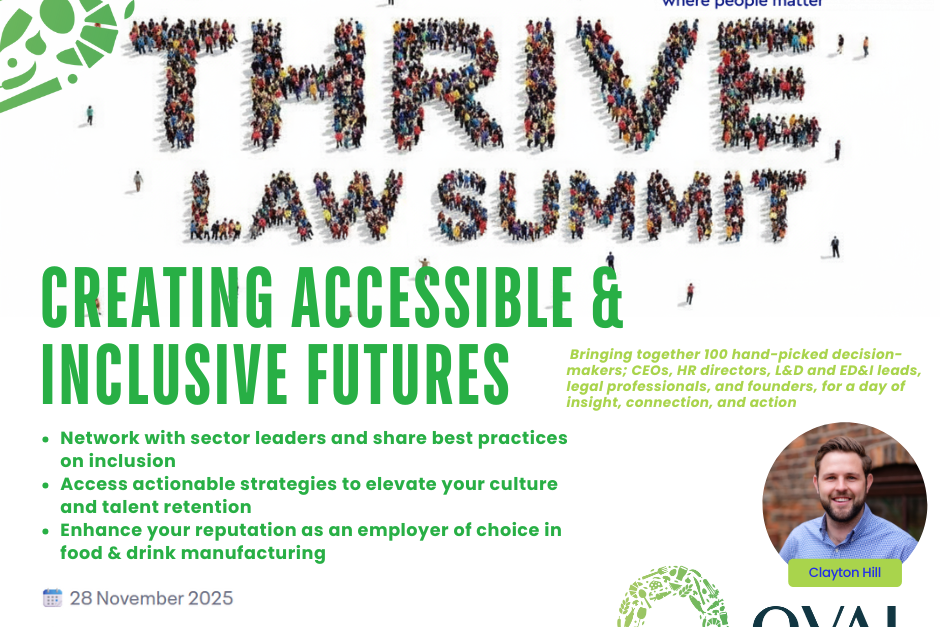
Building a More Inclusive Future for the Food and Drink Industry
Inclusivity isn’t just a moral imperative, it’s a business necessity. Yet across the food and drink industry, many organisations still struggle to create workplaces, supply chains, and leadership teams that truly reflect the diverse communities they serve.
The barriers are rarely intentional, but they run deep. Understanding them is the first step toward meaningful change.
The Challenges Holding Inclusion Back
Structural Barriers:
Traditional industry frameworks often make it more difficult for people from marginalised backgrounds to access training, employment, or progression opportunities. Without mentorship, supportive development schemes, or flexibility for those who need it, many talented people never get the chance to thrive.
Lack of Diversity Strategy and Representation:
Some businesses still operate without a cohesive diversity and inclusion (D&I) strategy—or one that focuses too narrowly, for example on gender balance alone. Ethnicity, disability, and sexuality are often left out of strategic plans, leaving talented individuals unseen. The absence of diverse leaders in visible roles compounds this issue, as aspiring professionals lack the relatable role models needed to inspire their growth.
Data and Measurement Challenges:
Progress is difficult to prove, or even define, without data. A lack of accurate reporting and clear targets means inclusion efforts can stall, despite good intentions.
Discrimination and Inequitable Access:
Systemic barriers continue to hold back ethnic minority suppliers and disabled professionals. Many producers still find it harder to secure contracts or funding, while individuals with disabilities—especially non-visible ones like neurodiversity—are often unsupported in recruitment and career development.
Resistance to Change and Unconscious Bias:
Old habits and hidden assumptions can quietly undermine even the best policies. When businesses fail to challenge these biases, the same recruitment patterns repeat, and inclusion plateaus.
The Cost of Doing Nothing:
Beyond the social impact, overlooking inclusivity damages brand reputation, limits innovation, and alienates the very consumers food businesses need to reach. Today’s customers expect companies to represent and respect the full breadth of society.
How Recruitment Can Drive Real Change
Inclusivity starts with recruitment, the first point of contact between talent and opportunity. Reforming hiring practices helps to remove bias, widen access, and create fair, consistent outcomes for every applicant.
Here are some simple, practical steps that food and drink companies can adopt:
Broaden recruitment channels: Partner with organisations that support underrepresented groups and advertise on platforms dedicated to diverse talent.
Use unbiased screening processes: Remove identifying details from CVs, standardise interview questions, and involve multiple assessors to reduce unconscious bias.
Write inclusive job adverts: Use neutral, welcoming language, state your commitment to diversity, and highlight flexible working or reasonable adjustments.
Ensure equal opportunity and compliance: Apply equal pay, accessible hiring, and consistent standards aligned with the UK Equality Act 2010.
Introduce targeted schemes: Join initiatives such as Disability Confident or Ethnicity Confident to guarantee interview opportunities and accelerate fairness.
Foster inclusive onboarding and culture: Encourage mentoring, promote cultural awareness, and equip managers to support diverse staff from day one.
The Payoff: Innovation, Connection, and Growth
When inclusivity shapes recruitment, businesses don’t just fill roles, they build stronger, more creative teams. Inclusive workplaces attract broader perspectives, leading to smarter problem-solving and a deeper understanding of consumers.
For the food and drink industry, where taste, culture, and creativity are everything, diversity is not a tick-box exercise, it’s a competitive advantage. By embedding inclusive hiring into everyday practice, businesses can cultivate resilience, trust, and growth for the long term.

