
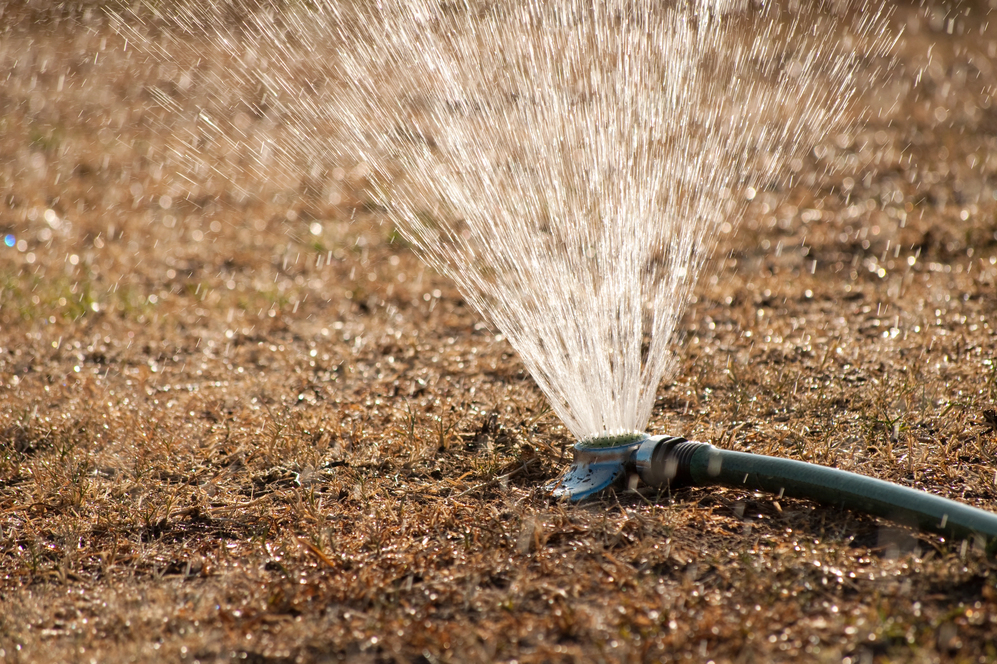
Reports this week that the UK's drought could cost farmers as much as £390m aren't just a story for the agricultural press. For food and drink manufacturers, it's the start of a chain reaction that reaches straight into procurement, product development, technical and supply chain planning teams - and for many businesses, straight into their hiring plans too.
At The Oval Partnership, we work across the full food and drink supply chain, from ambient and chilled to frozen, bakery and beverages, so we tend to see these pressures land on our clients' desks before they hit the headlines. Here's what this year's drought means in practice, and where we're already seeing hiring activity pick up in response.
When yields are down and costs are up, the pressure doesn't stay in the fields. It moves through the supply chain fast:
None of this shows up as a single big redundancy or hiring freeze. It shows up as a steady increase in demand for people who can move fast under pressure - which is exactly the kind of hiring surge that tends to catch manufacturers out if they're not already thinking about capacity.
Based on what we're hearing from clients across the sector right now, the roles most directly affected by this kind of supply pressure are:
If you're a manufacturer already feeling this pressure, the businesses coping best right now are generally the ones who built a bit of headroom into these teams before the pressure hit - not the ones scrambling to backfill once it has.
A few practical thoughts if you're a food or drink manufacturer reviewing headcount in procurement, NPD, technical or supply chain over the next few months:
If you're a procurement specialist, NPD technologist, supply chain planner or technical manager watching this story unfold, it's genuinely a good moment to be visible. Manufacturers are actively looking for people with exactly this kind of experience right now, and specialist skills in supplier risk, reformulation or forecasting are in short supply relative to demand.
If that's you, we'd love to hear from you - even if you're not actively job hunting, it's worth a conversation about what's out there.
Get in touch with the Oval team → View live vacancies →
How is the UK drought affecting food and drink manufacturers? Beyond the direct cost to farmers, drought-driven yield pressure affects food and drink manufacturers through ingredient sourcing, cost pressure and the need for recipe reformulation - which increases workload across procurement, NPD, technical and supply chain planning teams.
What roles are most in demand because of supply chain pressure in food manufacturing? Procurement and buying specialists, NPD and product technologists with reformulation experience, supply chain planners, and technical/quality managers are typically the roles that see the fastest increase in demand when supply conditions become volatile.
Should food manufacturers hire permanent or interim staff to manage supply chain pressure? It depends on how long the pressure is expected to last. Many manufacturers use experienced interim specialists to bridge a short-term surge in workload, while reserving permanent hires for capability gaps they expect to need long-term.

